

What Failure Taught Me
It made me a better gardener when I thought I was getting worse

My first garden at our previous house started innocently enough with a strip of land between the house and the driveway, dubbed the Birthday Garden because everything in it was a gift for my birthday. I seemed to have no trouble keeping that up, so I started another bed, and since that was going okay, I started another one.
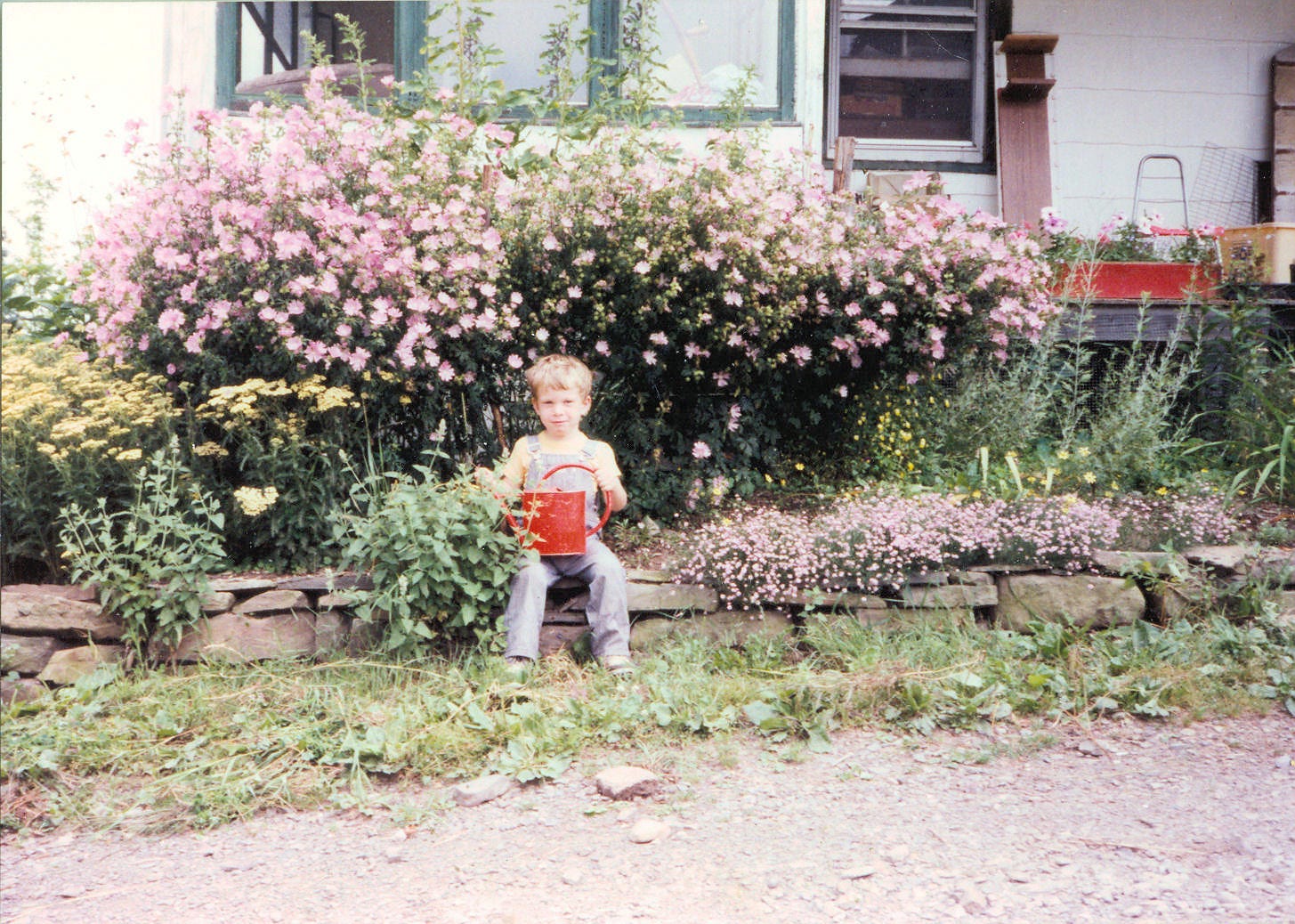
Then I got to the point where I promised myself I would catch up on whatever I was falling behind on, but right then I needed to do something else. And for a long time I persuaded myself that I would be able to get things back in shape, in no time at all—next week, next month, next season.
Finally, I realized I was in way over my head, and however many years it took me to get into this mess, that’s how many it would take to get me out.
Sometimes I regarded the mess that was my garden with cheerful acceptance, other times with resignation, and sometimes with dark self-loathing. It depended on how much sleep I’d been getting, whether the sun was shining, and how many other aspects of my life were making me feel incompetent at the time.
Looking back, this is exactly what made me hesitate to start my very first garden bed. I could see, in various neighborhoods that I happened to pass through, ambitious landscaping projects that were not maintained. Mailbox planters filled with weeds. Creeping juniper with grass growing through it. Projects that were better not started if they couldn’t be maintained. I didn’t want to be like that.
If I’m honest, it wasn’t failure I feared so much as imperfection. Yes, I wanted to be in control of every detail and get every detail right. How many times did I meticulously weed a yard-square patch, when it would have done me more good to lop off the flowering weed stalks throughout the whole garden?
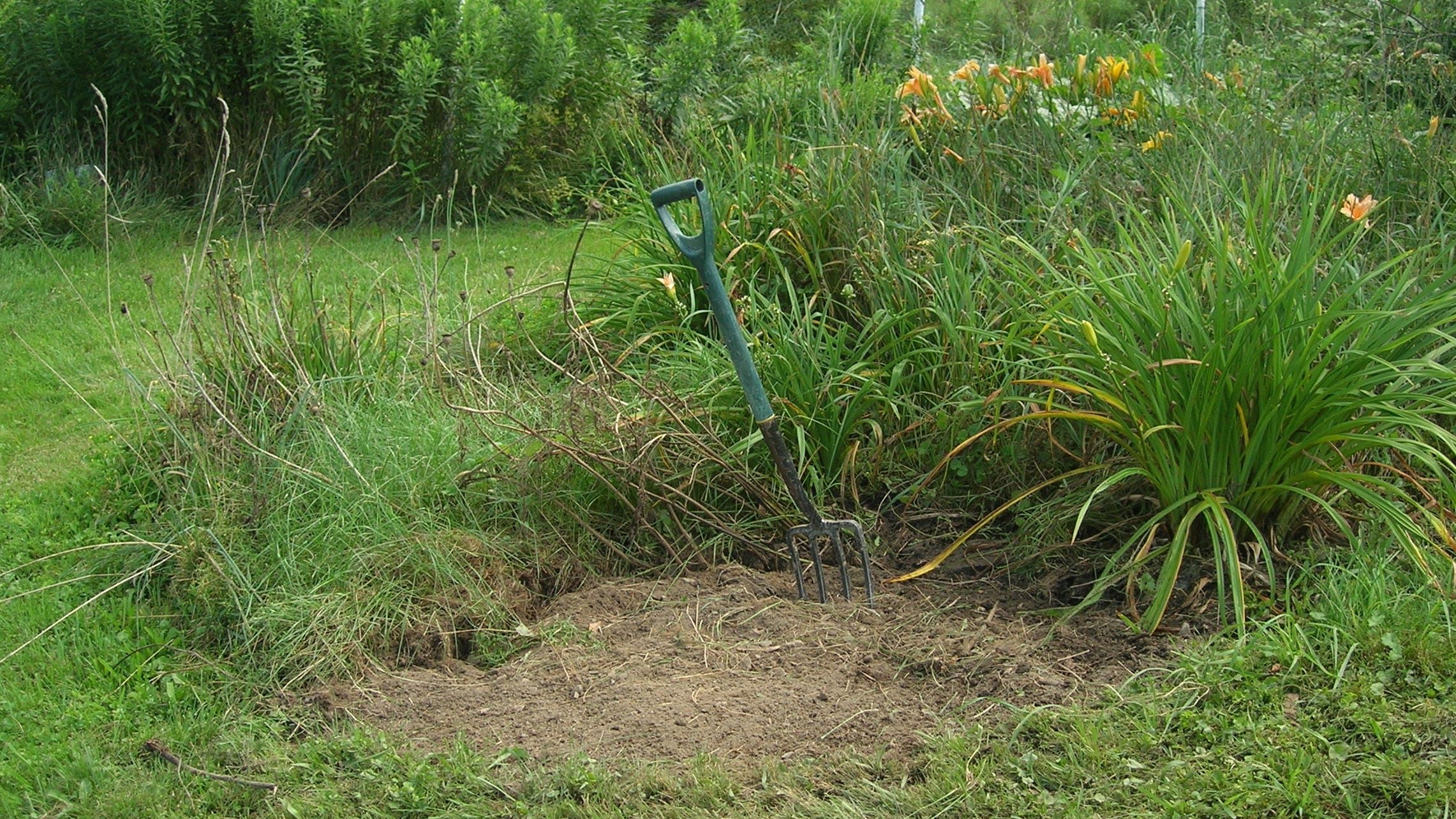
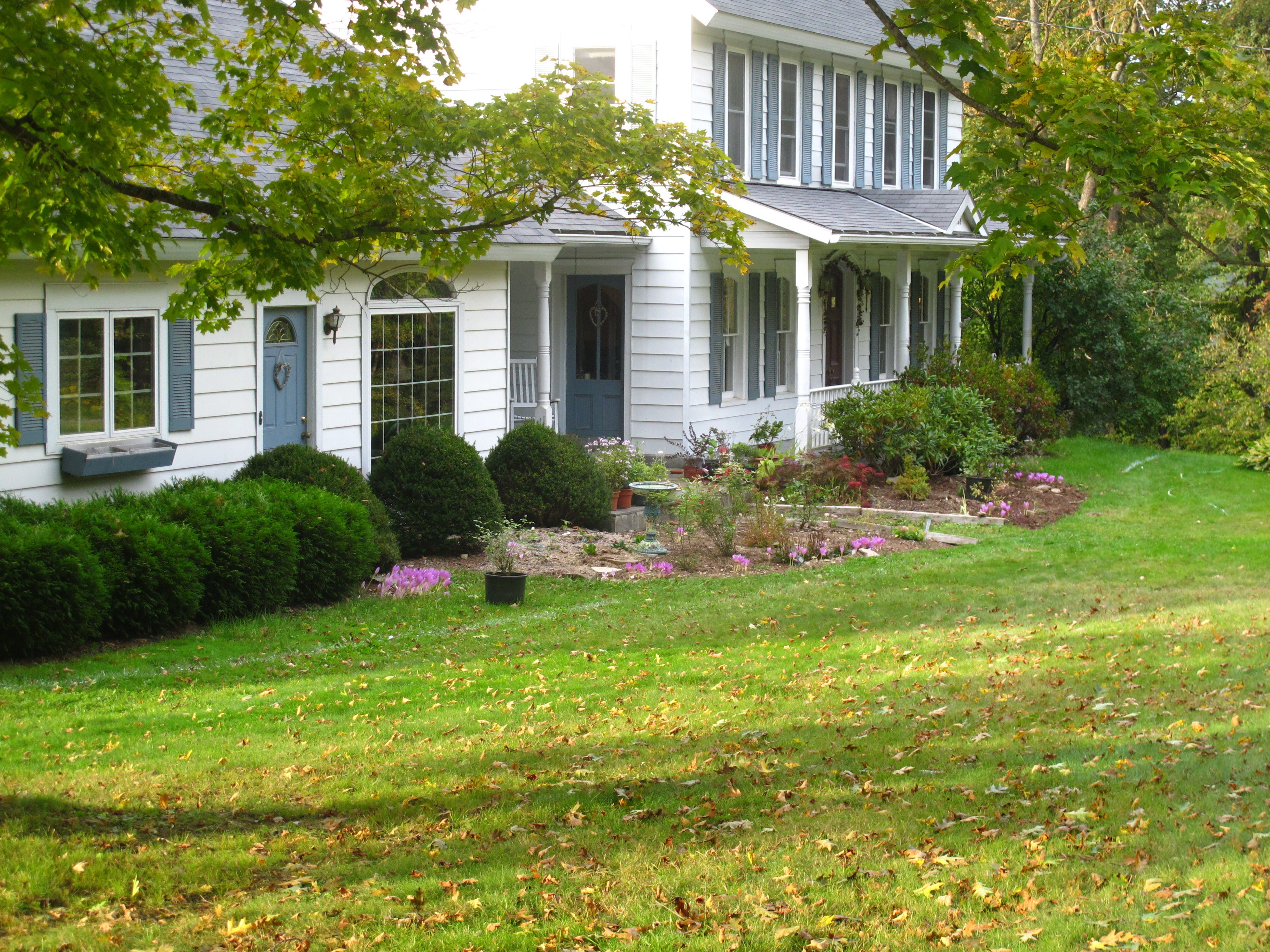
After twenty years of never catching up, of maintaining my garden poorly or not at all, we moved to our current home, and I got a chance to start again. What surprised me the most was how much I knew.
I didn’t need to draw up a planting plan for a garden bed; I just placed the potted plants where I knew they should go.
I knew weed seedlings on sight; more importantly, I knew which weeds needed to be pulled immediately. I also knew which weeds were easy to pull and which ones I preferred to leave in small quantities as companions to my cultivated plants.
I used to read books about what to do at what time in the garden. Now, I just knew—sometimes because I had done it so many times, and sometimes because I had learned to look at the plants, and I could see what needed to be done.
All those years of “not doing it right,” all those missed deadlines, all those unfinished projects and uncompleted chores—all those failures had been teaching me. Without realizing it, I was building a foundation of experience that stood me in good stead at my new garden.
What if I had postponed starting to garden until I could do it “right”? First of all, “right,” “correctly,” or—as the professionals say—“using best practices” is a moving target. Not only do best practices change based on research or the latest trends, but the bar is always being raised higher. If you manage to keep the mailbox planter weeded, then you now need to fertilize it as well. And deadhead the flowers. Daily. Yes, perfection is the enemy of the good.
How would I have known when that perfect time had come? When the youngest child slept through the night? When I had read enough books and magazines? When I had the right tools?
I’m thankful my hunger to grow plants and to create beauty overcame my desire for control and perfection. I’m glad I kept trying.
My current garden is better maintained than my previous one, but I’m still playing catch-up. I now know that I will always be behind. I may be traveling toward perfection, but I’ll never get there. It may be the most important lesson gardening has taught me.
Show me a gardener who isn't behind on weeding, deadheading, planting, etc., and I'll show you someone who either has help -or- a very tiny garden! To quote Barbara Dodge Borland, ""A gardener learns more in the failures than in the successes."
I was just thinking in these lines today. Two years of hip issue as let most of my garden to develop on its own. This year slowly but surely I am working my way through the garden to hopefully gain some sense of order. Many native plants are growing but becoming thugs. Time to help them step back and let others shine. I hope! Thanks for this essay.